IoT Solution for Industry 4.0 Transformation, Smart Manufacturing, Intelligent Building & Smart Home
  • Flink System
    • About Us
    • Channel Partner
    • Join Us
    • Blog
    • Contact Us
  • IoT
  • Industry 4.0
  • Consultation
    • Home Automation
    • Building Automation
    • Factory Automation
  • Intelligent Building
    • Smart Energy Management
    • People Counting System
  • Smart Factory
    • Manufacturing Management System
    • Warehouse Management System
  • Smart Home
    • Interior
    • Technology
    • Lighting
    • Door Communicator
    • Multimedia
    • Shading
    • Security
    • Air-Conditioning
    • Exterior
    • Monitoring
    • Software
    • Automation

Sharing our thoughts

Internet of Things (IoT) applications for
​Smart Home, Smart Office, Smart Building, Smart Manufacturing and Smart City.

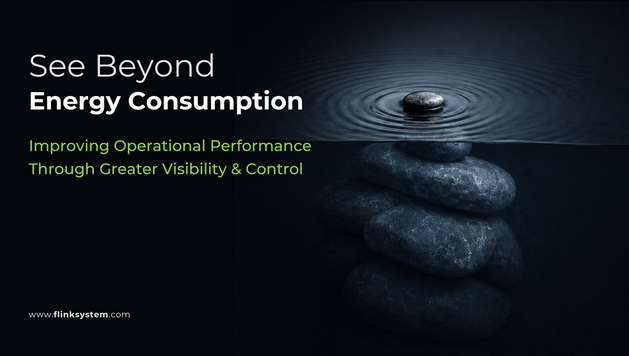
See Beyond Energy Consumption

21/5/2026

 
Picture
Improving Operational Performance Through Greater Visibility & Control

In today’s business environment, energy management is no longer viewed solely as a facility or utility concern. Increasingly, it has become an important part of operational resilience, sustainability strategy, and long-term business competitiveness.

Many organizations still focus primarily on visible energy-related expenses such as utility costs, equipment performance, and maintenance. While these are important considerations, they often represent only part of the overall impact caused by poor energy performance.

The broader operational consequences are often less visible, but far more significant over time.


Beyond Utility Bills: The Invisible Business Impact

Poor energy performance can gradually affect multiple areas of an organization’s operations without being immediately recognized. Some visible impacts may include:
  • Rising energy consumption
  • Increasing operational costs
  • Equipment inefficiencies
  • Production interruptions
  • Increased exposure to operational and energy-related risks

However, the hidden consequences can be even more significant over time, including:
  • Reduced operational reliability
  • Lower productivity and occupant comfort
  • Increased maintenance burden
  • Business continuity disruptions
  • Challenges in meeting ESG and sustainability goals
  • Reduced competitiveness in an increasingly energy-conscious market
  • Negative impact on customer confidence and corporate reputation

For many organizations, these indirect costs may eventually exceed the direct energy expenses themselves.

Energy Management as Part of Operational Strategy

As businesses continue their digital transformation journey, energy management is evolving beyond traditional facility maintenance and utility cost monitoring.

Today, organizations increasingly recognize that energy performance can influence operational efficiency, sustainability objectives, and long-term business resilience. As a result, energy management is becoming an important part of broader operational and business strategies.
​
Rather than reacting to energy wastage after it occurs, businesses are adopting more structured approaches to improve visibility, reduce inefficiencies, and support better operational decisions.​
Picture
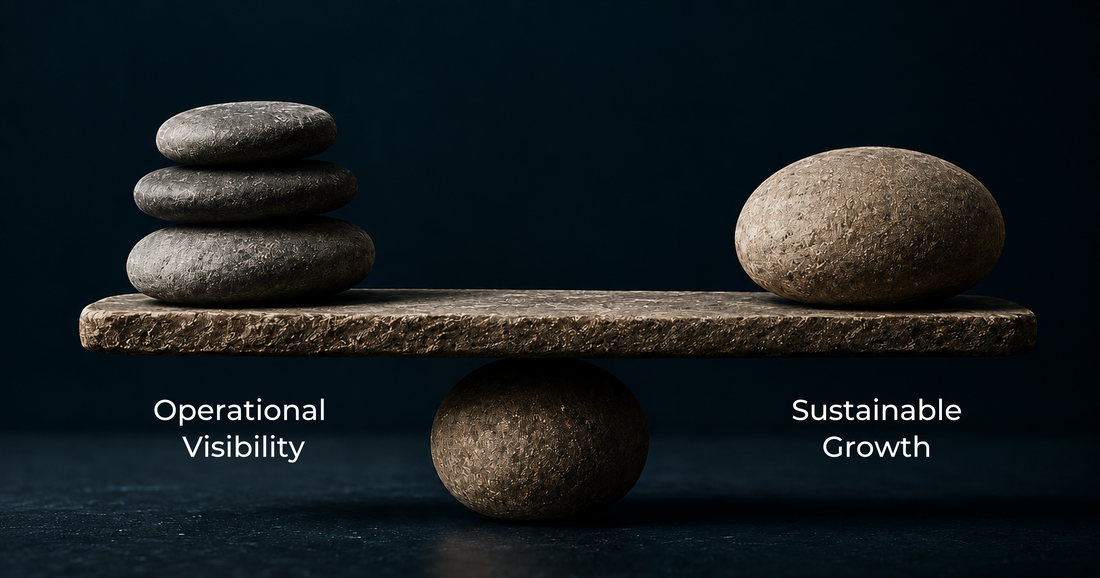
Effective energy management supports operational efficiency and long-term sustainability
The Role of Integrated Building Operations

Today, energy management increasingly involves a more connected operational approach, including:
  • Real-time Operational Monitoring
  • Integrated Control Systems
  • Energy Performance Analytics
  • Occupancy-based Optimization
  • Operational Visibility and Reporting
  • Connected Building Infrastructure

These elements increasingly work together within a more unified operational ecosystem.

At Flink System, we believe effective energy management requires more than standalone energy-saving technologies. It requires better coordination between operational systems, building infrastructure, and performance visibility to support efficiency, sustainability, and long-term operational resilience.

By improving visibility across operational environments, organizations can make more informed decisions, reduce unnecessary energy consumption, and strengthen overall operational performance.

Looking Ahead

As energy costs, sustainability expectations, and operational challenges continue to rise, businesses that proactively improve their energy performance will likely gain stronger competitive advantages in the years ahead.
​

The future of modern facilities will not only depend on connectivity and automation, but on how effectively organizations manage operational visibility, energy performance, and sustainability together.
Picture
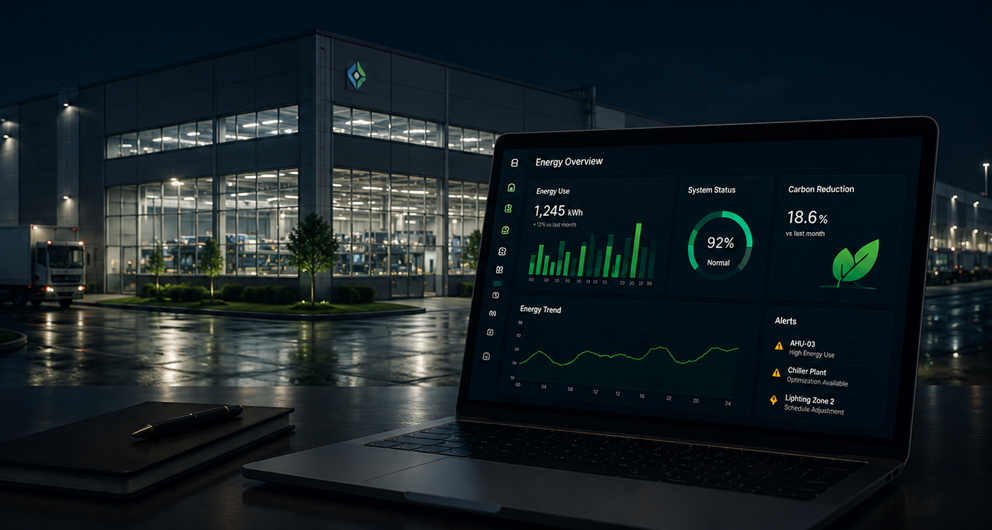
The shift toward connected and visibility-driven operations is already reshaping modern facilities today

Comments are closed.

    Archives

    November 2023
    March 2023
    February 2023
    January 2023
    November 2022
    October 2022
    February 2021
    June 2020
    July 2018
    April 2017

    Categories

    All

    RSS Feed

​Copyright © 2026 Flink Automation System Sdn Bhd 
201101020136 (948270M) ​All rights reserved.
All trademarks, product names, logos and pictures appearing on the site are the property of their respective owners.
  • Flink System
    • About Us
    • Channel Partner
    • Join Us
    • Blog
    • Contact Us
  • IoT
  • Industry 4.0
  • Consultation
    • Home Automation
    • Building Automation
    • Factory Automation
  • Intelligent Building
    • Smart Energy Management
    • People Counting System
  • Smart Factory
    • Manufacturing Management System
    • Warehouse Management System
  • Smart Home
    • Interior
    • Technology
    • Lighting
    • Door Communicator
    • Multimedia
    • Shading
    • Security
    • Air-Conditioning
    • Exterior
    • Monitoring
    • Software
    • Automation